

What Are Common Pitching Injuries in Baseball?
Ulnar Collateral Ligament (UCL) tears, rotator cuff tendinitis, and labral tears are common pitching injuries in baseball. These injuries often result from the repetitive sports demands and high stress placed on the throwing arm during pitching. If left untreated, they can progress over time and interfere with your pitching performance.
If you are dealing with a pitching-related injury, our orthopedic sports medicine surgeon, Dr. Charles Ruotolo, can help you get back on track with expert diagnosis and personalized treatment. From non-surgical treatment to complex surgical procedures, Dr. Charles Ruotolo provides comprehensive care focused on helping you regain strength, mobility, and confidence. Contact us to schedule your appointment at Total Orthopedics & Sports Medicine in Syosset.
Which Injuries Are Commonly Diagnosed in Baseball Pitchers?
Pitchers commonly suffer from tendon damage, ligament injuries, cartilage tears, muscle strains, rotator cuff injuries, and joint conditions caused by repetitive throwing. The repetitive forces generated during pitching place significant stress on the shoulder and elbow soft tissues and joints, increasing the risk of overuse injuries over time. This ongoing stress is often intensified by high pitch counts, improper mechanics, and inadequate recovery between pitching sessions.
Here are the symptoms and underlying mechanisms of the common baseball injuries:
SLAP Tears and Labral Injuries
SLAP tears and other labral injuries affect the ring of cartilage that helps stabilize the shoulder socket. These injuries often develop when repetitive overhead throwing places stress on the labrum, especially during the acceleration phases of pitching. Over time, the repeated force can cause the cartilage to fray or tear, reducing shoulder stability and affecting throwing performance. Common symptoms of labral injuries include:
- Shoulder pain, especially while throwing
- A clicking, popping, or catching sensation in the shoulder
- Decreased throwing velocity
- Reduced shoulder strength
- Limited range of motion
- A feeling that the shoulder is unstable
- Pain that worsens after pitching
Tendonitis and Muscle Strains
Tendonitis and muscle strains develop when the muscles and tendons involved in the throwing motion get irritated or overstretched from repeated use. These common overuse injuries occur when the arm does not have enough time to recover between periods of intense activity. As stress continues to build, inflammation and small tissue injuries can develop, leading to pain and reduced performance. In such cases, you may experience the following symptoms:
- Muscle soreness or tenderness
- Swelling around the affected area
- Stiffness and limited mobility
- Discomfort when gripping or lifting objects
- Fatigue in the throwing arm
Elbow Ligament Sprains
Baseball pitchers frequently experience these elbow and arm injuries due to the high forces generated during repetitive throwing motions. During each pitch, significant stress is placed on the ligaments along the inside of the elbow, particularly during the acceleration phase of the throw. According to research published in the Journal of Orthopaedic Surgery and Research, these forces expose the elbow ligament to repeated valgus stress, which may contribute to ligament damage over time. As this repetitive stress accumulates, you may experience:
- Tenderness during or after throwing
- Loss of control or accuracy while pitching
- Weak grip strength
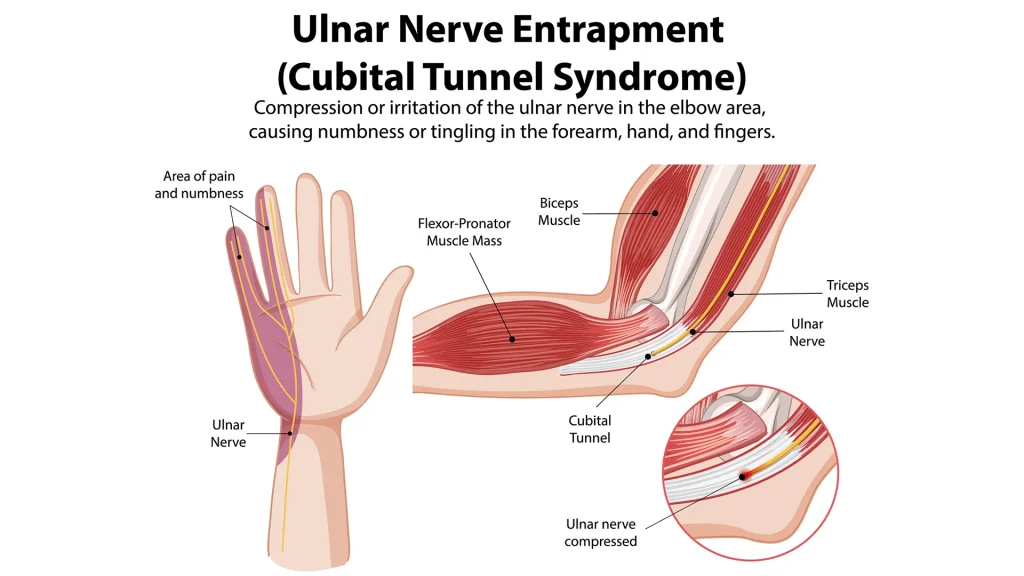
- Tingling or numbness in the ring and little fingers
- Discomfort that worsens with continued throwing
Shoulder Impingement Syndrome
Shoulder Impingement Syndrome occurs when the space within the shoulder becomes too narrow, causing tendons and other soft tissues to get compressed during arm movement. For pitchers, repeated overhead throwing can increase this compression, especially if the shoulder does not move efficiently. As the tissues get irritated, inflammation develops, and normal shoulder joint movement becomes more difficult. This can make throwing uncomfortable and may eventually affect your performance.
Common symptoms associated with this injury include:
- Pain when reaching overhead or behind your back
- A pinching sensation during the throwing motion
- Discomfort when lowering the arm after a throw
- Pain that gets worse late in games or practice sessions
- Difficulty sleeping on the affected shoulder
- A feeling of catching or rubbing within the shoulder
- Shoulder instability and fatigue with repetitive activity
Little League Elbow and Growth Plate Injuries
Little League Elbow is an overuse condition that affects the growth plate on the inner side of the elbow in young pitchers. Because a child’s bones are still developing, repeated throwing can place excessive stress on the growth plate before it fully matures. In fact, Research published in the JPOSNA reports that medial epicondyle apophysitis, commonly known as Little League Elbow, is one of the leading overuse elbow injuries in youth baseball players. As the stress continues to accumulate, the growth plate can get irritated, inflamed, or even separate from the bone. In this situation, you may notice the following symptoms:
- Sensitivity around the growth plate
- Mild swelling near the elbow joint
- Difficulty maintaining pitching accuracy
- Discomfort that increases with repeated throwing
- Limited elbow extension
- Arm fatigue during games or practice
What Are the Early Signs of a UCL Injury?
Pain on the inner side of the elbow is the first indication of a UCL injury. As stress on the ulnar collateral ligament continues to build, you may notice a decline in throwing velocity, reduced pitch command, or soreness that lingers after throwing sessions. Without proper attention, these warning signs can progress into a more significant UCL tear.
Because these symptoms often develop gradually, many pitchers assume they are simply dealing with normal fatigue from throwing. In reality, according to The Journal of Arthroscopic & Related Surgery, the repetitive valgus stress generated during pitching can progressively strain the ulnar collateral ligament, increasing the risk of injury over time. For this reason, sports medicine specialists encourage athletes to pay close attention to persistent changes in velocity, control, or endurance, as these symptoms may signal an underlying ligament injury.
What Symptoms Suggest a Rotator Cuff Tear?
Symptoms of a rotator cuff tear often include a dull ache deep within the shoulder, a noticeable loss of arm strength, and difficulty performing overhead throwing motions. Some pitchers also report hearing or feeling a popping sensation at the time of injury, while others notice that their arm feels unusually heavy during games. Besides that, you may struggle to maintain your usual pitching velocity or experience increasing difficulty controlling pitches as the tear worsens.
If these symptoms begin to affect your ability to throw or do not improve with rest, consult Dr. Charles Ruotolo at Total Orthopedics & Sports Medicine. As an experienced orthopedic sports medicine doctor, Dr. Charles Ruotolo understands how quickly sports-related injuries can impact your performance if left untreated. By identifying the problem early, he can help you avoid unnecessary setbacks and make informed decisions about your recovery. Contact us now to schedule an appointment for an accurate diagnosis of your shoulder injuries.
Is Losing Velocity a Sign of an Underlying Injury?
Yes, a decline in pitching velocity can be an early sign of shoulder and elbow injuries, even before severe symptoms develop. When the body tries to compensate for pain, weakness, or tissue damage, it often becomes more difficult to generate the force needed for effective throwing. In fact, research co-authored by Dr. Charles Ruotolo found that shoulder pain in collegiate baseball players is often linked to reduced shoulder motion, which may affect pitching velocity.
Because velocity loss often develops gradually, many pitchers assume they simply need more rest or recovery time. This can make it difficult to distinguish normal fatigue from an underlying injury, particularly when the arm is exposed to repetitive throwing and ongoing significant stress throughout the season. As a result, some overhead athletes continue pitching while the condition worsens, delaying treatment and increasing the risk of more serious damage.
While velocity loss should not be ignored, it should be assessed alongside other factors that affect performance throughout the season. At our clinic, one of the most common misconceptions we hear is that pitching velocity should remain consistent throughout the season. In reality, factors such as workload, sleep quality, recovery, nutrition, and adherence to pitch count guidelines can all affect your performance. That is why we recommend baseball and softball players to track velocity alongside throwing volume and recovery indicators, such as:
- Compare current velocity to your seasonal average rather than your personal best
- Track velocity trends over several weeks
- Monitor pitch counts and throwing volume between games
- Pay attention to recovery markers such as persistent fatigue
This approach can help pitchers identify whether reduced velocity is linked to normal fatigue or a potential sign of underlying elbow, shoulder, hand, and wrist injuries.
How Do Sports Medicine Doctors Diagnose Baseball Injuries?
Our fellowship-trained orthopedic specialist, Dr. Charles Ruotolo, diagnoses baseball injuries through a physical examination, symptom assessment, and diagnostic imaging. For example, he performs a detailed physical exam to assess pain, strength, range of motion, joint stability, and throwing mechanics. Depending on the findings, Dr. Charles Ruotolo may also recommend imaging studies to confirm the diagnosis and develop the most effective treatment plan for your injury.
Another important part of the diagnostic process is assessing how and when the symptoms developed. During this evaluation, our sports medicine doctor reviews your pitch volume, throwing frequency, recent changes in training intensity, recovery habits, and adherence to pitch count guidelines. He also evaluates whether your symptoms occur during specific phases of the throwing motion, as this can help identify the structures contributing to the symptoms. This information also helps distinguish acute injuries from overuse injuries and allows for a more targeted treatment approach based on the underlying cause of the problem.
When Are X-Rays, Ultrasounds, or MRIs Needed?
X-rays, ultrasounds, or MRIs are ordered when a physical examination alone cannot fully determine the cause of a baseball injury. These imaging tests help evaluate different structures within the shoulder and elbow. This allows doctors to identify fractures, tendon damage, ligament injuries, and other abnormalities that may be contributing to symptoms. However, the type of imaging recommended depends on the suspected injury and the information needed to get an accurate diagnosis.
What Are the Best Treatments for Baseball Injuries?
Dr. Charles Ruotolo may recommend activity modification, anti-inflammatory medications, and rest to relieve pain and support the recovery of injured tissues. However, some injuries require additional intervention if symptoms persist despite this conservative care. In these cases, our orthopedic specialist may recommend bracing and orthotic support, and image-guided injections to support healing.
Here’s how these treatment options can help support recovery and a safe return to play:
- Activity Modification: Reducing or temporarily avoiding activities that worsen symptoms can help prevent further injury and allow healing.
- Anti-Inflammatory Medications: These medications may help reduce inflammation and relieve pain, making daily activities and exercises more comfortable.
- Rest: Giving the affected tissues time to recover can support the body’s natural healing process and reduce the risk of worsening the injury.
- Bracing and Orthotic Support: Braces can help stabilize affected joints and reduce stress on injured structures, improving comfort during recovery.
- Image-Guided Injections: These injections deliver medication directly to the affected area with greater precision, helping reduce pain and inflammation.
While many baseball injuries can be treated without surgery, some conditions may require surgery if significant structural damage is present. For example, surgery may be recommended for severe ligament injuries requiring UCL repair and complex labral tear injuries. It may also be necessary for certain meniscus tears and stress fractures that compromise function or fail to heal properly. Besides that, severe hamstring strains may require surgical intervention, particularly if the tendon has failed to heal despite appropriate conservative treatment. In such cases, surgical treatment can help restore function, improve stability, and support a safe return to competitive play.
How Can Regenerative Medicine Support Recovery in Pitchers?
Regenerative medicine delivers growth factors and other biologic components to injured tissues that may promote tissue repair. By addressing underlying tissue damage, these therapies may help reduce pain, improve function, and support a more effective rehabilitation process. Because of these potential benefits, doctors commonly use regenerative therapies to treat tendon, ligament, and joint injuries in athletes as part of a non-surgical treatment plan.
Here are the common regenerative medicine therapies that can support healing and lower injury risk in athletes returning to sport:
| Regenerative Medicine Treatment | Purpose |
|---|---|
| Platelet-Rich Plasma (PRP) Therapy | Supports tissue healing and recovery. |
| Bone Marrow Aspirate Concentrate (BMAC) | Provides growth factors that may help repair. |
| Prolotherapy | Stimulates the body’s healing response. |
| Stem Cell-Based Therapies | May support tissue regeneration in selected cases. |
| Ultrasound-Guided Injections | Delivers medication precisely to the injured area. |
Which Athletes May Benefit From Non-Surgical Treatment?
Athletes with mild to moderate injuries may benefit from non-surgical treatment if there is no major structural damage or severe loss of function. This approach may also be appropriate for baseball players with early tendon irritation, minor sprains, muscle strains, or soreness caused by training overload. Besides that, it can help athletes who still have good strength, stable joints, and symptoms that improve with rest or changes in activity.
According to the Journal of Sport Rehabilitation, professional baseball players with partial UCL injuries achieved high return-to-play rates following nonoperative treatment. Reported success rates ranged from 66% to 100%, depending on the severity of the injury. These outcomes were most commonly reported in carefully selected athletes with partial rather than complete ligament injuries.
If you want to avoid surgery, receiving the right diagnosis and treatment recommendation is essential. At our clinic, Dr. Charles Ruotolo carefully evaluates your injury and athletic goals to determine whether non-surgical treatment can provide the results you need. His goal is to help you recover safely, support your long-term athletic performance, and reduce strain on the structures affected by your injury. Call 855-321-6784 to consult Dr. Charles Ruotolo in Syosset.
When Is Surgery Recommended for Pitching Injuries?
Our orthopedic surgeon, Dr. Charles Ruotolo, may recommend surgery if a pitching injury continues to limit your ability to throw despite appropriate treatment and recovery time. Surgery is also advised for significant ligament, tendon, or cartilage injuries that affect performance, stability, or arm function. In these situations, surgery is necessary to repair damaged structures, restore stability, and help you return to baseball with improved function and durability.
Here are some of the most common injuries that may require surgery in baseball pitchers:
UCL Tears
UCL tears are among the most common throwing-related injuries treated with surgery. The injury can range from a minor sprain to a complete ligament tear. Although non-surgical treatment, such as rest, may be effective in some cases, surgery is often recommended when structural damage significantly affects elbow stability and performance.
Depending on the extent of the injury, surgical options may include UCL repair, UCL reconstruction, Tommy John surgery, or hybrid procedures. The goal of surgery is to restore elbow stability and allow pitchers to return to competitive throwing. Studies have reported return-to-play rates ranging from 80% to 97% following these procedures, although outcomes can vary based on individual factors.
Flexor Tendon Injuries
Flexor tendinitis occurs when the tendons on the inside of the elbow get irritated from repetitive throwing. Although many cases respond to conservative treatment, surgery may be necessary if significant tendon damage or elbow instability continues to affect your throwing performance.
Common surgical options include tendon repair and tendon debridement procedures to address damaged tissue and restore function. If the injury occurs alongside other elbow conditions, additional procedures may be performed to improve stability and support a successful return to throwing.
Labral Tears
Labral tears involve damage to the ring of cartilage that helps stabilize the shoulder joint during throwing. When the tear compromises shoulder stability, pitchers may struggle to generate force efficiently and maintain their normal throwing mechanics. In these situations, surgery may be recommended to restore the shoulder’s structural support. For example, arthroscopic labral repair is commonly performed to reattach the torn tissue. This can help pitchers regain function and better tolerate the demands of repetitive throwing.
Rotator Cuff Tears
Rotator cuff tears involve damage to the tendons that help stabilize the shoulder during throwing. When the injury significantly affects shoulder strength, arm function, or throwing performance, surgery may be recommended to restore the stability needed for high-level pitching. In this situation, Rotator cuff repair is performed to reattach the damaged tendon and improve shoulder function. This can help pitchers regain arm strength and return to the demands of competitive baseball.
Shoulder Instability and Motion Deficits
Shoulder instability and motion deficits can develop as a result of repetitive throwing. One example is Glenohumeral Internal Rotation Deficit (GIRD), which occurs when repetitive stress tightens the posterior shoulder capsule. Many cases can be managed without surgery. However, some pitchers continue to experience instability or motion loss that interferes with throwing performance. In these situations, surgical treatment such as arthroscopic capsular release, labral repair, or other procedures is performed to restore shoulder stability and mobility.
How Long Does Recovery Take After Surgery?
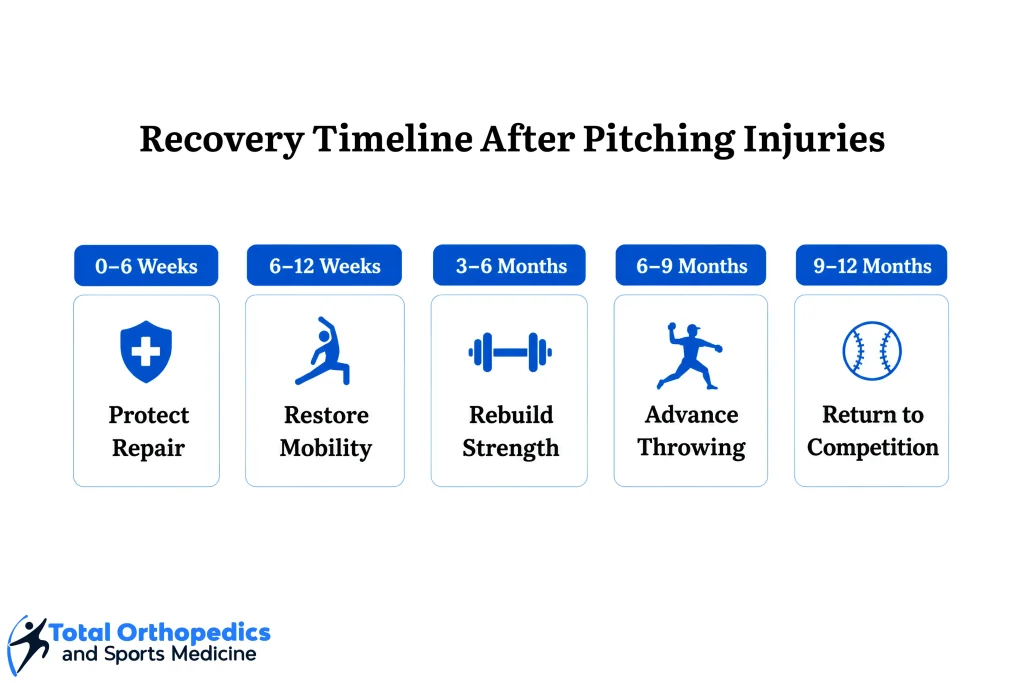
In our experience, most patients recover within 6 to 12 months after surgery. But the exact timeline depends on the type of injury, the procedure performed, and the demands of the sport. While many athletes can gradually resume daily activities within the first few months, returning to competitive throwing often takes longer. Throughout this process, taking adequate rest is essential to allow healing tissues to recover properly. As throwing demands increase, proper conditioning and rebuilding strength throughout the arm and lower body are essential to safely return to baseball.
What Is the Typical Return-to-Play Timeline?
The typical return-to-play timeline for baseball players is approximately one year after surgery. Many athletes begin a structured throwing program between 3 and 6 months before progressing to bullpen sessions and higher-intensity throwing. Competitive pitching is only resumed after functional testing and medical evaluation confirm that the athlete can safely meet the demands of the sport while supporting injury prevention.
Here are some key recovery recommendations that can help support a safe return to baseball:
- Youth pitchers should avoid breaking pitches until they have developed proper throwing mechanics and mastered fundamental pitches.
- Monitoring pitch counts and taking adequate rest between throwing sessions can help reduce the risk of overuse injuries and excessive arm stress.
- Incorporating effective coaching strategies, regular warm-up routines, and flexibility exercises can help prevent injuries and support long-term performance.
Get a Specialized Baseball Injury Evaluation From Dr. Charles Ruotolo In Syosset!
If shoulder or elbow pain is affecting your velocity, accuracy, or overall performance on the mound, don’t ignore the warning signs. Early evaluation and an accurate diagnosis can help prevent further injury, speed recovery, and improve your chances of returning to baseball at full strength.
At Total Orthopedics and Sports Medicine, Dr. Charles Ruotolo, a Castle Connolly Top Doctor, provides expert care for baseball injuries in Syosset. He carefully evaluates your symptoms, reviews diagnostic imaging, and identifies the root cause of your pain. Whether you have a shoulder injury, elbow pain, or other throwing injury, he creates a personalized treatment plan focused on your recovery and performance. Contact us or visit our clinic to consult Dr. Charles Ruotolo.
FAQs
What’s the Worst Injury for a Pitcher?
A complete UCL tear is one of the most serious injuries a pitcher can sustain. If you do not address the injury early, you may face a longer recovery and an increased risk of further damage to your arm. However, using proper equipment may help reduce the risk of severe throwing-related injuries.
Do Year-Round Baseball Seasons Increase Injury Rates?
Yes, year-round baseball participation can increase the risk of overuse injuries. This risk is particularly high in pitchers who do not get adequate recovery between seasons. Therefore, organizations such as the American Sports Medicine Institute and USA Baseball recommend limiting throwing volume and incorporating regular rest periods.
Can I Continue Pitching While Receiving Treatment?
Yes, you can continue pitching while receiving treatment, depending on the type and severity of your injury. However, some injuries require a temporary break from throwing to prevent further damage and support recovery. In such cases, you should consult your surgeon for proper guidance.
Are Younger Baseball Players More Injury-Prone?
Yes, younger baseball players may face a higher risk of injury. This is because their bodies are still developing and may be less able to tolerate repetitive throwing stress. The risk increases further if you play year-round, throw too frequently, or return to the field before fully recovering.
Can Previous Baseball Injuries Increase My Risk of Reinjury?
Yes, previous baseball injuries can increase your risk of reinjury, particularly if the original injury did not fully heal. Moreover, returning to play too soon may place additional stress on vulnerable tissues and increase the risk of recurring symptoms.


