
What Are Non-Surgical Hip Arthritis Treatments?
Strengthening exercises and NSAIDs are effective non-surgical treatments for reducing hip arthritis pain. Your doctor may also recommend therapeutic injections if your symptoms do not improve with initial treatment. These injections reduce inflammation inside the joint, improve movement, and help you regain daily function with consistent pain relief.
At Total Orthopedics and Sports Medicine, our fellowship-trained doctor, Dr. Michael K. Shindle, carefully assesses your condition. After evaluating your symptoms, he guides you about activity modifications that can help reduce your hip pain. He may also recommend advanced options such as PRP or stem cell therapies to support healing and improve joint function. Call us at 855-321-6784 to schedule your consultation in West Orange.
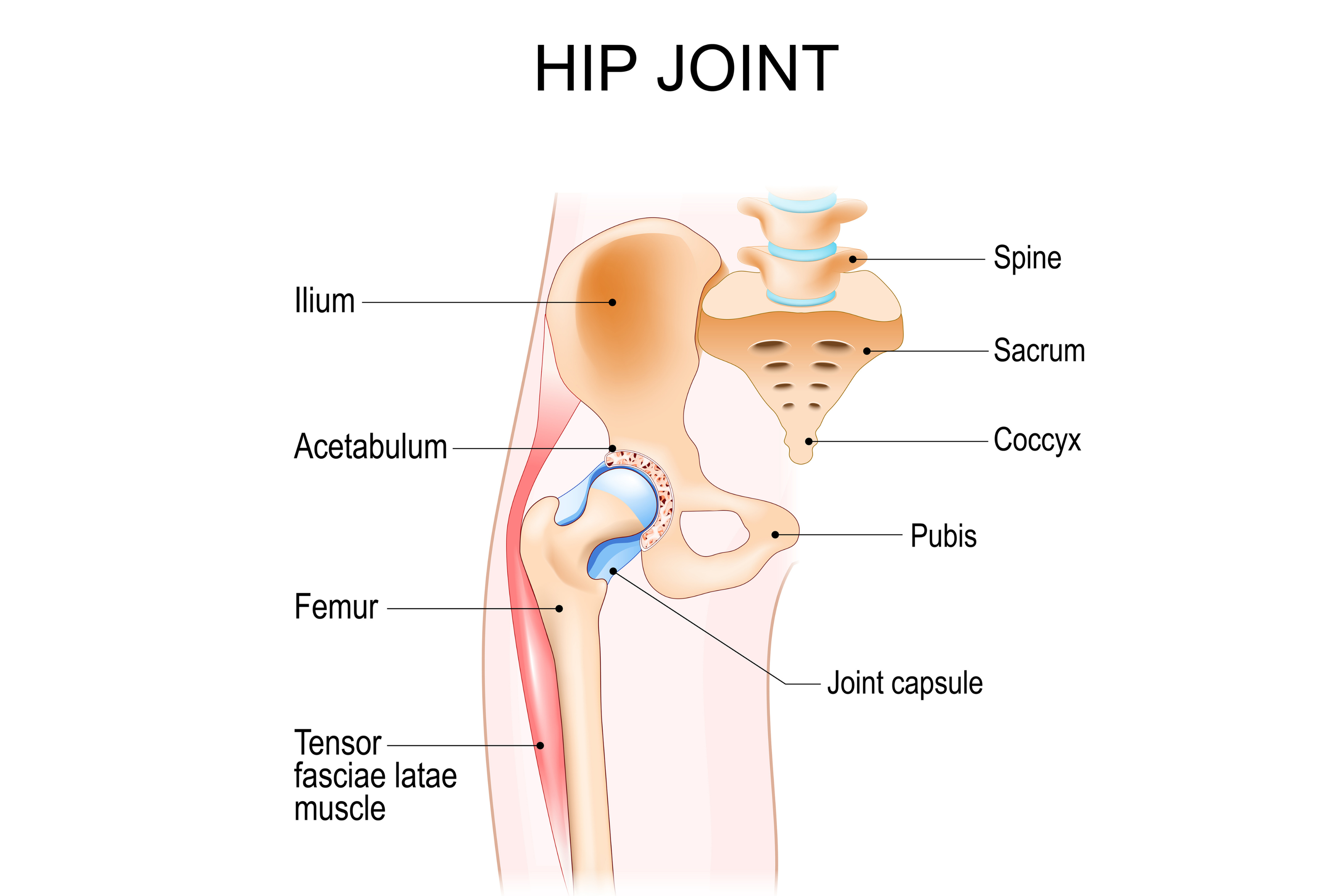
Which Non-Surgical Treatments Help Hip Arthritis?
Weight management and low-impact exercise are the most effective nonsurgical treatments for managing hip arthritis. These approaches reduce stress on the hip joint while improving flexibility and joint function. Besides that, anti-inflammatory medications and steroid injections, such as cortisone shots, may reduce inflammation and relieve hip joint pain.
Here are the other effective non-surgical treatments for hip arthritis:
Activity Modification
You should adjust your daily activities to limit movements that place excessive strain on your hip joint and trigger pain. In such cases, avoid high-impact activities such as running or jumping, which can increase stress on the hip joint. Instead, focus on low-impact exercise such as swimming or cycling. These activities help you stay active while protecting joint structure.
Assistive Devices
Assistive devices can help reduce pressure on the affected joint during daily activities and improve safe movement. For example, a cane or walker supports balance and helps you walk with less strain on the hip joint. While using a cane, you should hold it on the opposite side of the painful hip for better support. These devices alleviate pain during walking and standing while improving stability.
Heat Therapy
Heat therapy helps relax muscles and reduce joint stiffness around the hip joint. You should use heat pads before activity or after long periods of rest to improve flexibility. Moreover, warm compresses or baths increase blood flow and support smooth movement. But you should avoid heat during active swelling or inflammation.
Cold Therapy
Cold therapy helps reduce inflammation and swelling in the hip joint during flare-ups. You should use ice packs after activity or when joint stress increases pain. It helps numb the area and reduce pain signals effectively. However, you should avoid prolonged use to prevent skin irritation. This method works best for short-term relief during acute hip arthritis symptoms.
Strengthening Exercises
Strengthening exercises help support your hip joint by building the muscles that stabilize movement. For example, strong glutes and core muscles reduce joint pressure and improve overall stability. This approach helps relieve pain and improve daily function. Here are effective strengthening exercises that help you improve hip stability and support joint function:
- Glute Bridges: Lie on your back and lift your hips to strengthen your glutes and support your hip joints.
- Hip Abduction: Lift your leg sideways while standing to strengthen outer hip muscles and improve balance.
- Clamshells: Lie on your side and raise your top knee to strengthen hip stabilizing muscles.
- Straight Leg Raises: Lift one straight leg upward to strengthen thigh muscles that support hip movement.
- Mini Squats: Bend your knees slightly while standing to strengthen your hips and thighs safely.
- Step-Ups: Step onto a low platform to build strength and improve coordination in your hip and leg muscles.
Gentle Stretching
Hip flexor stretches, seated hip rotations, and gentle leg swings help you maintain flexibility and reduce joint stiffness. These movements improve circulation and support smooth hip joint function during daily activities. You should perform them within a controlled and pain-free range for safe results.
Aquatic Therapy
Aquatic therapy allows you to perform exercises with reduced stress on the hip joint. Water buoyancy supports your body weight and decreases joint loading during movement. As a result, you can improve the range of motion and muscle function more effectively. This approach is especially beneficial when joint pain limits land-based activity.
PRP Therapy
In PRP therapy, your doctor uses your own blood to support healing by delivering concentrated platelets directly into the hip joint. In this procedure, your doctor first draws a small blood sample and processes it to isolate platelet-rich plasma. Then, they inject the solution into the affected joint under imaging guidance for accuracy. This process helps reduce inflammation and support tissue repair.
What Are Common Causes of Hip Arthritis?
Aging, obesity, and overuse are the most common causes of hip arthritis that gradually damage the joint over time. In some cases, genetics can also increase the risk of hip arthritis by affecting cartilage quality and bone structure. These factors increase joint stress and accelerate cartilage breakdown, leading to progressive hip pain, stiffness, and reduced mobility.
Moreover, the following medical and structural conditions can also contribute to hip arthritis:
- Femoroacetabular Impingement (FAI): Improper fit between the ball and socket causes repeated friction during movement, which damages the joint.
- Post-Traumatic Arthritis: Previous injuries such as fractures or dislocations can lead to joint degeneration over time.
- Avascular Necrosis: Reduced blood supply to the thighbone causes bone tissue to collapse and leads to severe joint damage.
- Joint Infection: Infection within the joint can rapidly destroy cartilage and cause significant inflammation.
- Hip Dysplasia: This condition involves a shallow hip socket, which creates uneven pressure and leads to early cartilage wear.
In fact, a study published in Springer followed over 3,000 adults aged 55 and older for 11 years. Researchers found that 19.9% developed clinical hip arthritis, while 9.9% developed radiographic hip arthritis. The study also showed that being overweight contributed to 20% of new cases, while structural issues like cam morphology (7.9%) and hip dysplasia (3.6%) significantly increased the risk of developing hip osteoarthritis.
Similarly, in another Science Direct study, researchers explain that hip cartilage injuries often occur due to femoroacetabular impingement (FAI), trauma, or joint instability, leading to cartilage damage such as delamination or fractures. It highlights that these injuries may not respond well to non-surgical treatment and often require surgical intervention. The study also notes that cartilage’s healing capacity is limited, which shows the importance of early diagnosis and treatment.
When Should You See a Hip Specialist for Ongoing Pain?
You should consult with a hip specialist if your pain persists despite rest and home treatments. This ongoing discomfort may point to significant joint damage or underlying structural issues. In such cases, you may notice difficulty walking, sitting, or sleeping due to stiffness or pain. You should also seek medical attention in the following conditions:
- Physical changes: Swelling, redness, warmth, or a noticeable limp may indicate joint inflammation or damage.
- Rest or night pain: Deep aching pain during rest or sleep often signals worsening joint involvement.
- Systemic symptoms: Fever, chills, or sudden leg numbness may point to infection or nerve involvement.
- Reduced range of motion: Difficulty moving your hip or stiffness that limits daily activity requires evaluation.
- Pain after injury: Pain after a fall, twist, or impact may suggest fracture or soft tissue damage.
- Progressive weakness: Muscle weakness around the hip can reduce stability and increase fall risk.
Our hip specialist, Dr. Michael K. Shindle, assesses your hip pain by determining whether it is caused by cartilage damage, labral tears, or joint inflammation. He performs a focused physical exam to assess the range of motion, joint stability, and pain patterns. Based on these findings, he creates a targeted treatment plan, including lifestyle modifications and pain relievers to reduce hip pain and improve mobility. Call us at 855-321-6784 for effective treatment options.
Which Medications Are Used To Treat Hip Joint Inflammation?
Non-steroidal anti-inflammatory drugs (NSAIDs), acetaminophen, and tramadol are effective treatments for hip joint inflammation, according to PubMed. In addition, topical medications may provide localized pain relief, especially for mild symptoms. However, you should consult your doctor before using any medication to ensure it is safe and appropriate for your condition.
In addition, your doctor may recommend the following medications to target inflammation through different mechanisms:
- COX-2 inhibitors: These medications block the cyclooxygenase-2 (COX-2) enzyme, which reduces prostaglandin production and lowers inflammation in the hip joint.
- Disease-modifying antirheumatic drugs (DMARDs): They control immune-driven inflammation, especially in rheumatoid arthritis affecting the hip joint.
- Oral corticosteroids: Short-term use of these medications helps reduce inflammation during severe flare-ups.
- Janus kinase (JAK) inhibitors: They block intracellular signaling pathways that drive inflammation in autoimmune joint conditions.
How Do Hyaluronic Acid Injections Work for Hip Pain?
Hyaluronic acid injections help improve lubrication inside the hip joint and reduce pain during movement. Hyaluronic acid is naturally present in joint fluid and helps maintain smooth joint motion. In cases of hip arthritis, the joint fluid can become thinner and less effective, contributing to stiffness and discomfort. By injecting hyaluronic acid into your joint, doctors restore this lubrication and manage symptoms.
Moreover, hyaluronic acid injection acts as a cushioning agent, absorbing shock within the joint. This added cushioning helps reduce stress on damaged cartilage and improves comfort during weight-bearing movement. To ensure accurate placement, doctors use imaging guidance to deliver the injection directly into the hip joint.
Other than that, hyaluronic acid can also improve the joint’s natural healing response. It can stimulate chondrocytes in the joint to produce more natural hyaluronic acid. This process helps improve joint fluid quality over time. As a result, it may support cartilage health and provide long-term pain relief.
However, hyaluronic acid injections may not be effective in advanced hip arthritis with severe cartilage loss. In such cases, the joint may not respond well due to limited remaining cushioning. You may also experience minimal improvement if joint damage is extensive. In such cases, your doctor may recommend alternative treatments such as joint replacement surgery.
Can Regenerative Medicine Treatments Help Hip Arthritis?
Yes, regenerative medicine treatments can help hip arthritis in selected patients by supporting tissue repair and reducing inflammation. These treatments may include platelet-rich plasma and Alpha-2-Macroglobulin (A2M), which help relieve pain and improve mobility over time. They can improve joint function and slow disease progression without the need for surgery.
Beyond the initial treatments, the following regenerative and biologic therapies focus on improving joint health:
Bone Marrow Concentrate
Bone marrow aspirate concentrate uses stem cells taken from your bone marrow to support joint repair. These cells help reduce inflammation and promote tissue healing inside the hip joint. This treatment may improve joint function and slow the progression of cartilage damage. In most cases, doctors recommend stem cell therapy for selected patients with early to moderate arthritis.
Adipose Stem Therapy
In Adipose-derived stem cell therapy, your doctor extracts stem cells from your fat tissue and processes them for injection into the hip joint. These cells release growth factors that help regulate inflammation and support damaged tissue. This approach focuses on improving the joint environment rather than only controlling pain.
Prolotherapy Treatment
Prolotherapy involves injecting a solution that stimulates the body’s natural healing response in damaged joint tissues. This process promotes tissue regeneration and may improve joint stability. It helps reduce pain by strengthening ligaments and supporting joint function.
Is Electrical Stimulation Effective for Joint Inflammation?
Yes, electrical stimulation can help reduce joint inflammation by interrupting pain signals and improving muscle activation around the hip joint. For example, techniques such as TENS help decrease pain perception, while neuromuscular stimulation supports muscle strength and joint stability. This combined effect may improve movement and reduce discomfort. However, you will get better results when you use it as part of a structured rehabilitation plan.
Here are other advanced electrical stimulation therapies that can help manage joint inflammation:
Interferential Current (IFC)
Interferential current therapy uses two medium-frequency electrical currents that intersect within the hip joint area. In this procedure, your doctor places electrodes around the hip to deliver these currents deep into the tissue. This technique helps block pain signals and stimulates blood flow. As circulation improves, it releases natural anti-inflammatory chemicals and helps reduce joint discomfort.
Pulsed Electrical Stimulation (PES)
Pulsed electrical stimulation delivers low-level electrical pulses directly to the affected joint through external electrodes. During treatment, your doctor places pads over the hip to target deeper joint structures. These pulses stimulate cellular activity and may support cartilage repair.
What Lifestyle Changes Can Help With Hip Pain?
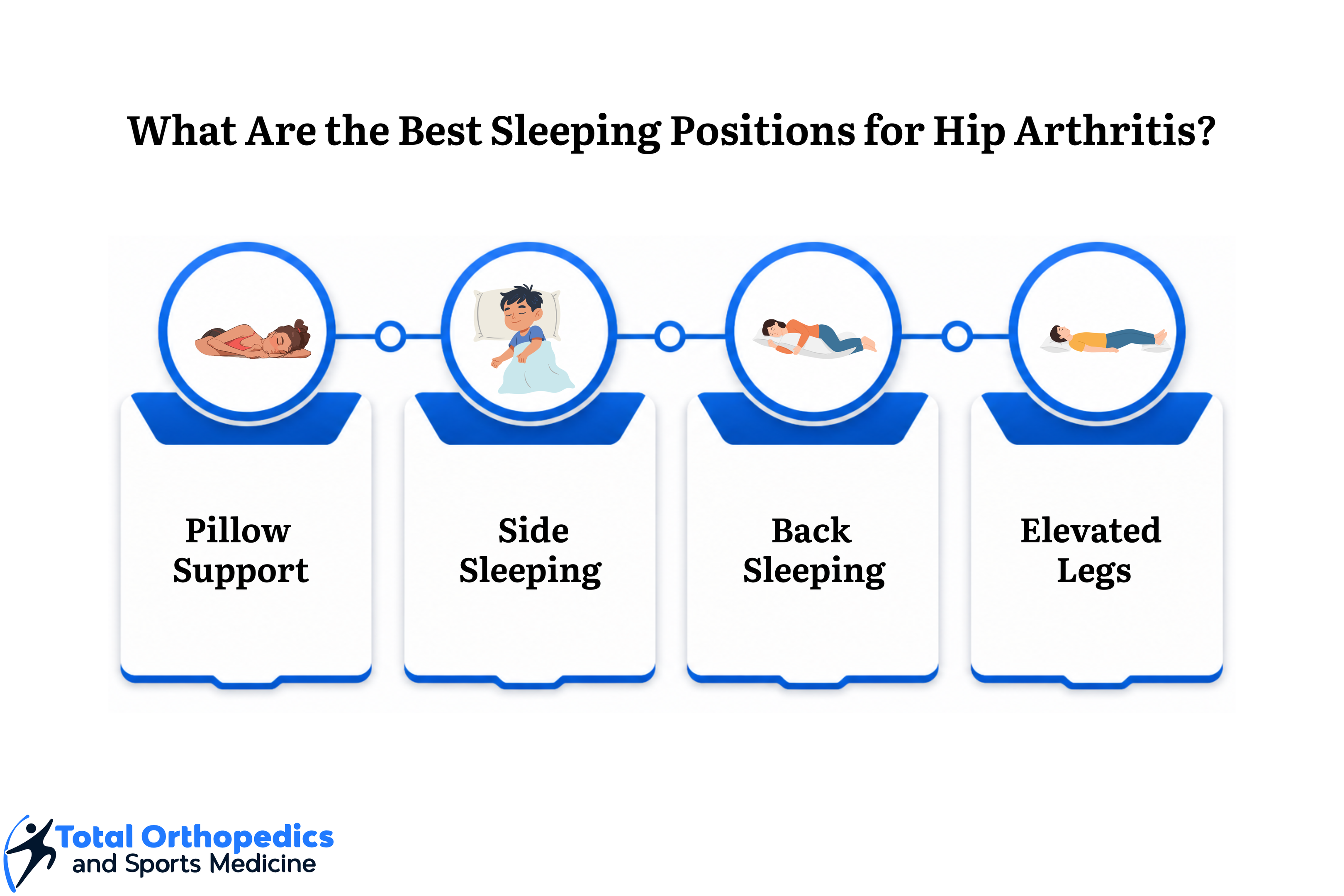
Our surgeon, Dr. Michael K. Shindle, recommends losing weight and following a structured exercise program to reduce hip strain and improve movement. These changes support better movement and provide sustained relief from pain. He may also guide you to adopt low-impact activities, maintain proper posture, and use supportive footwear to reduce joint stress. Besides that, improving sleep positioning and avoiding prolonged sitting can help prevent stiffness and reduce daily discomfort.
Moreover, if you experience persistent hip pain, our doctor recommends using walking aids to help reduce pressure on the joint and improve stability. In most cases, patients do not follow these lifestyle changes as they age, which slows their recovery. You should also adopt the following daily adjustments to reduce hip strain and support better joint function:
- Use elevated seating: Sit on higher chairs to reduce hip flexion and joint strain.
- Adjust car entry and exit: Turn your body fully before stepping out to avoid twisting your hip.
- Modify the sleeping surface: Use a firm mattress to support proper hip alignment during sleep.
- Add joint-friendly supplements: Include omega-3 fatty acids in your diet to help reduce inflammation.
- Use handrails on stairs: Use support while climbing to reduce the load on the hip joint.
- Limit carrying heavy loads: Avoid lifting or carrying loads that increase joint pressure.
- Practice balance training: Improve coordination to reduce fall risk and protect the hip.
We Offer Surgical & Non Surgical Treatment for Hip Arthritis — Visit Us Now!
Hip arthritis can limit your ability to walk comfortably, climb stairs, or sit for long periods without discomfort. You may struggle with basic tasks like getting out of bed, putting on shoes, or driving. Over time, this loss of movement can affect your independence, reduce your activity level, and impact your overall quality of life.
With recognition as a Medical Advisory Board Member at Total Orthopedics and Sports Medicine, Dr. Michael K. Shindle offers stem cell therapy, guided injections, and daily lifestyle changes to reduce pain and slow arthritis progression. If these treatments do not provide relief, he may recommend cartilage restoration techniques and arthroscopic procedures. Call 855-321-6784 or visit 769 Northfield Ave ll8, West Orange, NJ 07052, USA to explore treatment options for hip arthritis.
FAQs
Can Hip Arthritis Symptoms Go Away on Their Own?
No, hip arthritis symptoms do not go away on their own because the condition involves ongoing joint degeneration. You may experience temporary relief with rest or lifestyle changes, but the underlying cartilage damage continues to progress. Without proper treatment, symptoms such as pain, stiffness, and reduced mobility can worsen.
What Exercises Should I Avoid With Joint Inflammation?
You should avoid high-impact and repetitive exercises that increase stress on the inflamed hip joint. For example, activities such as running, deep squats, lunges, box jumps, and heavy leg presses place excessive load on the joint. Instead, you should focus on low-impact exercises that support joint function without adding strain.
Can Diet or Supplements Help Reduce Hip Pain?
Yes, diet and supplements can help reduce hip pain. You should consume foods that are rich in omega-3 fatty acids, such as fish, which help reduce inflammation. Similarly, supplements like glucosamine and chondroitin may support cartilage health. However, you should use supplements under medical guidance for safe and effective results.
Does Cold or Heat Therapy Work Better for Hip Arthritis?
Yes, both cold and heat therapy work for hip arthritis, but they are used in different situations. You should use cold therapy during flare-ups to reduce inflammation and numb pain. However, heat therapy is more effective for stiffness because it relaxes muscles and improves blood flow.
Are Braces or Supports Effective for Hip Arthritis?
Yes, braces or supports can help reduce hip pain by improving stability and reducing strain on the affected joint. These devices help control joint laxity and support proper alignment during movement. You may also notice reduced stress on other joints as your movements get balanced.


