
Muscle Relaxer for Back Pain: What Doctors Prescribe and Why?
Doctors commonly prescribe cyclobenzaprine, tizanidine, or methocarbamol for short-term acute back pain with muscle spasms. These muscle relaxants act on the central nervous system to reduce muscle spasms and provide pain relief. Doctors often prescribe them when OTC medications (medicines available without a prescription) do not provide enough relief.
At Total Orthopedics & Sports Medicine, our orthopedic specialists assess the source of your muscle spasms and back pain. We perform a physical examination and review your medical history to identify the underlying cause of your pain. Based on your diagnosis, we develop a treatment plan to ease muscle tightness, improve movement, and support lasting pain relief. Call 855-321-6784 to book an appointment.
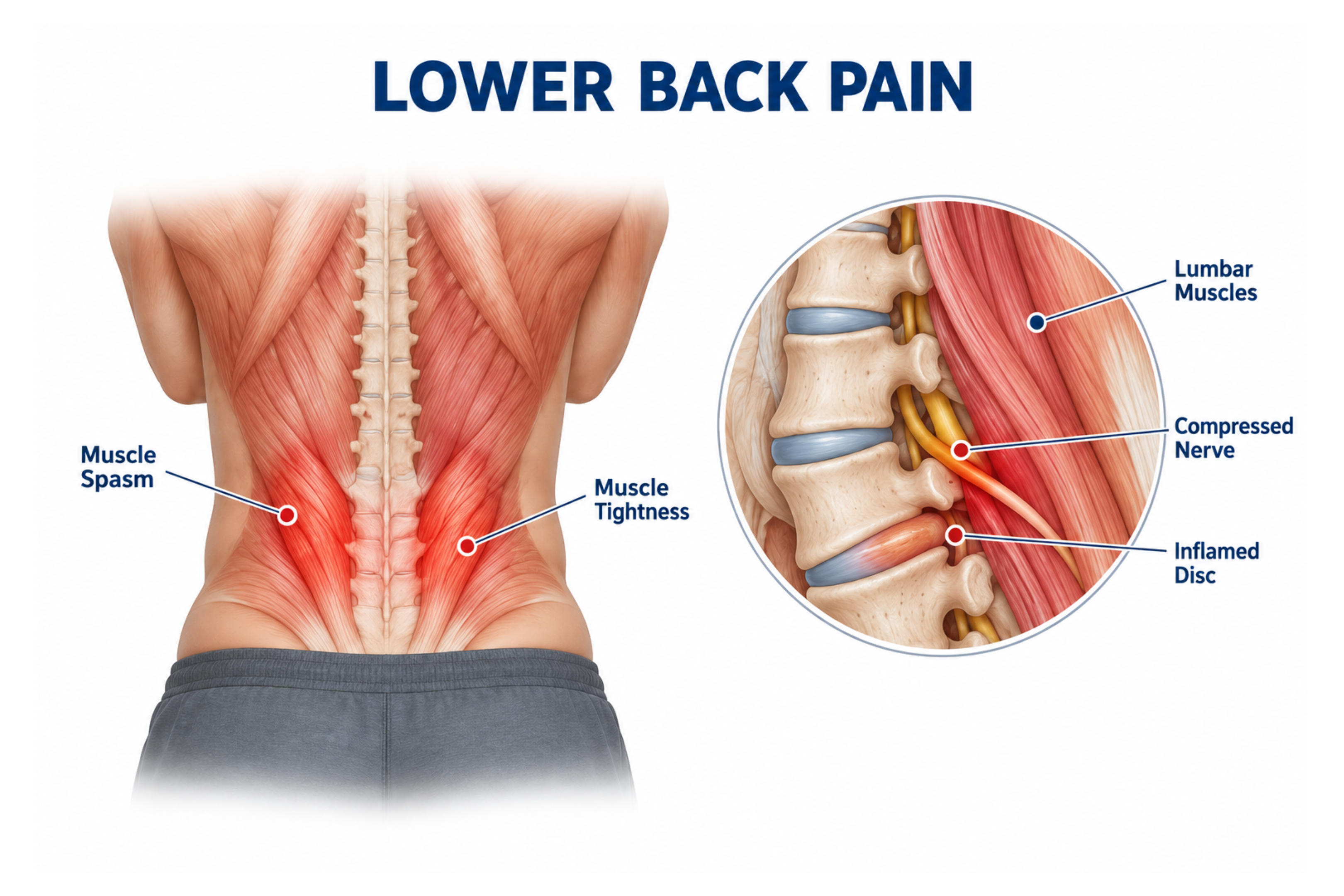
Which Muscle Relaxer Is Best for Acute Low Back Pain?
Cyclobenzaprine hydrochloride has strong clinical evidence for short-term acute low back pain with muscle spasms. Carisoprodol and metaxalone are other muscle relaxants that can provide relief. The right choice depends on your symptoms, medical history, and risk of adverse effects.
In fact, research published in Clinical Therapeutics reviewed evidence for these three medications. Researchers assessed the following clinical trials:
- Carisoprodol: Three high-quality trials with 197 patients.
- Cyclobenzaprine hydrochloride: Two trials with 1,405 patients.
- Metaxalone: Three trials with 428 patients.
After the analysis, researchers found that cyclobenzaprine had the most trials and the most recent evidence supporting its benefit. Carisoprodol and metaxalone also showed benefits. However, researchers raised concerns about carisoprodol due to its potential for abuse.
How Do Doctors Choose Medication for Back and Neck Pain?
Doctors select medication based on your diagnosis, pain pattern, and the source of your back or neck symptoms. They also consider muscle spasms, your age, medical history, and existing prescription medications. This assessment allows them to choose a drug with fewer adverse effects and medication interactions.
Moreover, American Family Physician recommends a clear discussion about possible adverse effects before treatment. Doctors should also consider patient preference, drug interactions, and the potential for medication abuse. These factors guide the choice when research does not show a clear advantage for one muscle relaxant over another.
Doctors also review your history of substance use before they prescribe muscle relaxants with a higher risk of abuse or physical dependence. They may also consider your response to first-line medications, such as NSAIDs (nonsteroidal anti-inflammatory drugs). If those medications do not provide enough relief, doctors may recommend a skeletal muscle relaxant for short-term symptom relief.
Why Do Doctors Prescribe Muscle Relaxers for Back Pain?
Doctors prescribe muscle relaxers to ease painful spasms and muscle tightness during an acute back pain episode. They can also reduce muscle guarding (muscle tightening to protect a painful area) and allow easier movement. However, these medicines reduce symptoms rather than treat the underlying spinal condition.
Doctors may recommend short-term use when severe muscle spasms disrupt sleep or restrict daily activities. As symptoms improve, easier movement can support guided rehabilitation and treatments that address the source of your pain. For this reason, doctors may use muscle relaxants as adjunctive therapy alongside targeted treatments in a complete treatment plan.
Is Cyclobenzaprine Good for Back Pain?
Yes, cyclobenzaprine can provide short-term relief for acute back pain linked to muscle spasms. It acts on the central nervous system (brain and spinal cord) to relax muscles and reduce painful spasms. Research published in the Archives of Internal Medicine shows that the greatest improvement often occurs within the first four days of treatment. Doctors usually prescribe it for a short period, often two to three weeks or less, as symptoms improve.
Another review published in American Family Physician examined cyclobenzaprine for adults with uncomplicated low back pain. Researchers found that about one in three patients achieved symptom improvement by day 10 due to the medication. However, adverse effects occurred in 53% of patients receiving cyclobenzaprine, compared with 28% receiving a placebo. These effects commonly consisted of drowsiness, dry mouth, dizziness, and nausea.
How Effective Is Methocarbamol for Muscle Spasms?
Methocarbamol can provide short-term relief from painful muscle spasms linked to acute musculoskeletal conditions. According to a study published in Current Medical Research and Opinion, about 60% of patients who received methocarbamol reported benefits. In comparison, about 30% of patients who received a placebo reported improvement.
Doctors may prescribe methocarbamol for acute musculoskeletal conditions that cause painful spasms. The medication can reduce muscle pain and support better movement during recovery. However, your doctor also considers your symptoms, medical history, and risk of adverse effects before prescribing.
Compared with other prescription muscle relaxers, methocarbamol may cause less sedation than some alternatives. However, research has not shown that any one skeletal muscle relaxant is superior to the others. For this reason, doctors compare expected benefits, side effects, and potential drug interactions before selecting a medication.
When Is Tizanidine Used for Back Muscle Spasms?
Doctors may prescribe tizanidine off-label (for a use not specifically FDA-approved) for acute muscle pain with painful muscle spasms or tightness. It reduces nerve signals that contribute to excessive muscle tension. This can reduce spasms and improve movement when muscle spasticity or nerve problems affect muscle control. Doctors review your medical history and current medications due to possible drowsiness, dizziness, low blood pressure, and drug interactions.
Moreover, tizanidine may treat symptoms linked to the following conditions:
- Acute Lower Back Pain: Pain with muscle spasms or tightness.
- Neck Pain: Pain associated with muscle stiffness and spasms.
- Spinal Cord Injuries: Muscle stiffness and spasms linked to nerve damage.
How Do Muscle Relaxers Help Back Pain?
Muscle relaxers can reduce back pain by reducing nerve signals that trigger painful muscle spasms and tension. They target the brain and spinal cord rather than the back muscles directly. As spasms decrease, the cycle of pain and muscle tightness can ease and allow more comfortable movement.
Some muscle relaxers cause drowsiness, which can affect alertness and driving. Based on their clinical use, muscle relaxants are divided into antispasmodic and antispastic. Here is how these two groups differ in their clinical use:
1. Antispasmodic Muscle Relaxers
Antispasmodics, skeletal muscle relaxants, reduce painful muscle spasms linked to acute back or neck pain. These medications can ease muscle tightness and allow for more comfortable movement. When short-term relief is needed, doctors may prescribe options such as cyclobenzaprine or methocarbamol.
2. Antispastic Muscle Relaxers
Doctors recommend antispastics to treat spasticity linked to neurological conditions, such as multiple sclerosis. These medications reduce abnormal muscle stiffness and repeated spasms caused by nerve problems. Baclofen and dantrolene are common options for these symptoms.
Which Is Better for Back Pain: NSAIDs or Muscle Relaxers?
NSAIDs are generally the first medication doctors consider for back pain. They often provide more effective pain relief than muscle relaxers, especially when inflammation contributes to symptoms. However, doctors may consider a muscle relaxer when painful muscle spasms are a primary symptom.
| NSAIDs | Skeletal Muscle Relaxers |
|---|---|
| Reduce pain and inflammation | Reduce muscle spasms and tightness |
| Block chemicals that cause inflammation | Reduce nerve signals that trigger spasms |
| Common: ibuprofen, naproxen, celecoxib | Common: cyclobenzaprine, methocarbamol |
| Available OTC or by prescription | Usually available by prescription |
| May cause stomach or kidney problems | May cause drowsiness or dizziness |
Note: Neither option is best for every patient. Your doctor selects treatment based on the main source of your symptoms and your individual medical factors.
How Long Should You Take Medicine for Back Spasms?
Doctors typically recommend muscle relaxers for two to three weeks or less for acute back spasms. In some cases, treatment may last only a few days as the pain and spasms improve. However, treatment duration can vary based on the medication, your symptoms, and your response to treatment.
Longer use requires medical review because the risk of side effects, tolerance, and physical dependence can increase over time. Your doctor can assess your symptoms if back spasms continue beyond the expected treatment period. Based on this assessment, they can adjust your medication or recommend another treatment.
What Side Effects Can Antispastic Muscle Relaxers Cause?
Antispastic muscle relaxers can cause drowsiness, dizziness, nausea, blurred vision, and fainting. Central nervous system side effects can occur in up to 50% of patients who take these prescription muscle relaxants. The overall relative risk of adverse effects can be higher with muscle relaxants than with NSAIDs.
Moreover, longer use of certain muscle relaxers can increase the risk of psychological and physical dependence. This risk is especially important with carisoprodol and diazepam, which are controlled substances. Combining muscle relaxers with alcohol or other central nervous system (CNS) depressants can increase sedation and other harmful effects. Drowsiness and dizziness can also affect your ability to drive or operate machinery safely.
In some cases, muscle relaxers can cause serious risks that require medical monitoring, such as:
- Liver Problems: Dantrolene and tizanidine can affect liver function.
- Low Blood Pressure: Some medications can lower blood pressure.
- Digestive Problems: Muscle relaxers can affect the gastrointestinal tract, causing nausea or constipation.
- Respiratory Depression: Alcohol, opioids, or sedatives can slow breathing.
- Withdrawal Symptoms: Stopping certain muscle relaxers suddenly can cause anxiety, tremors, or seizures.
Who Should Avoid Muscle Relaxers for Back Pain?
Doctors often avoid prescribing muscle relaxers to older adults due to the higher risk of drowsiness, dizziness, falls, and fractures. People who take opioid medications, sedatives, or alcohol may face central nervous system depression and slowed breathing. These medications are also not recommended for some people with a history of substance misuse or certain heart conditions.
Doctors use extra caution during pregnancy and in people with liver or kidney problems. These medical conditions can alter how the body breaks down and removes certain muscle relaxers, which can raise medication levels and side-effect risks. Your doctor may recommend a safer alternative when muscle relaxers pose greater risks than benefits.
Note: Your contraindications may vary by medication, so always discuss your health conditions with your doctor.
Can You Take Muscle Relaxers With Other Pain Medicine?
Yes, doctors may recommend muscle relaxers with over-the-counter pain relievers such as ibuprofen or naproxen for short-term back pain. NSAIDs can treat pain and reduce inflammation. Muscle relaxers target painful muscle spasms and tightness.
However, the muscle relaxer itself may cause dizziness or drowsiness in some people. Other interaction risks depend on the specific medications you take together. Combining muscle relaxers with opioid medications can pose greater risks due to excessive sedation and slowed breathing. For this reason, your doctor may adjust the dose or timing to reduce the risk of medication interactions.
What If Muscle Relaxers Do Not Help Chronic Low Back Pain?
If muscle relaxers do not relieve chronic pain, muscle spasms may not be the main source of your symptoms. Persistent pain can come from a herniated disc, arthritis, spinal stenosis, or nerve compression. For example, herniated disc muscle spasms can develop when an irritated disc affects nearby nerves and muscles. These conditions can affect the spine, joints, or nerves rather than the muscles alone.
In such cases, an orthopedic evaluation can identify the source of your pain and assess its effect on your functional status. Your doctor may use a physical exam and diagnostic imaging to assess the affected area. Based on the results, they can recommend other treatments that target the underlying problem.
When Should You See an Orthopedic Doctor for Back Pain?
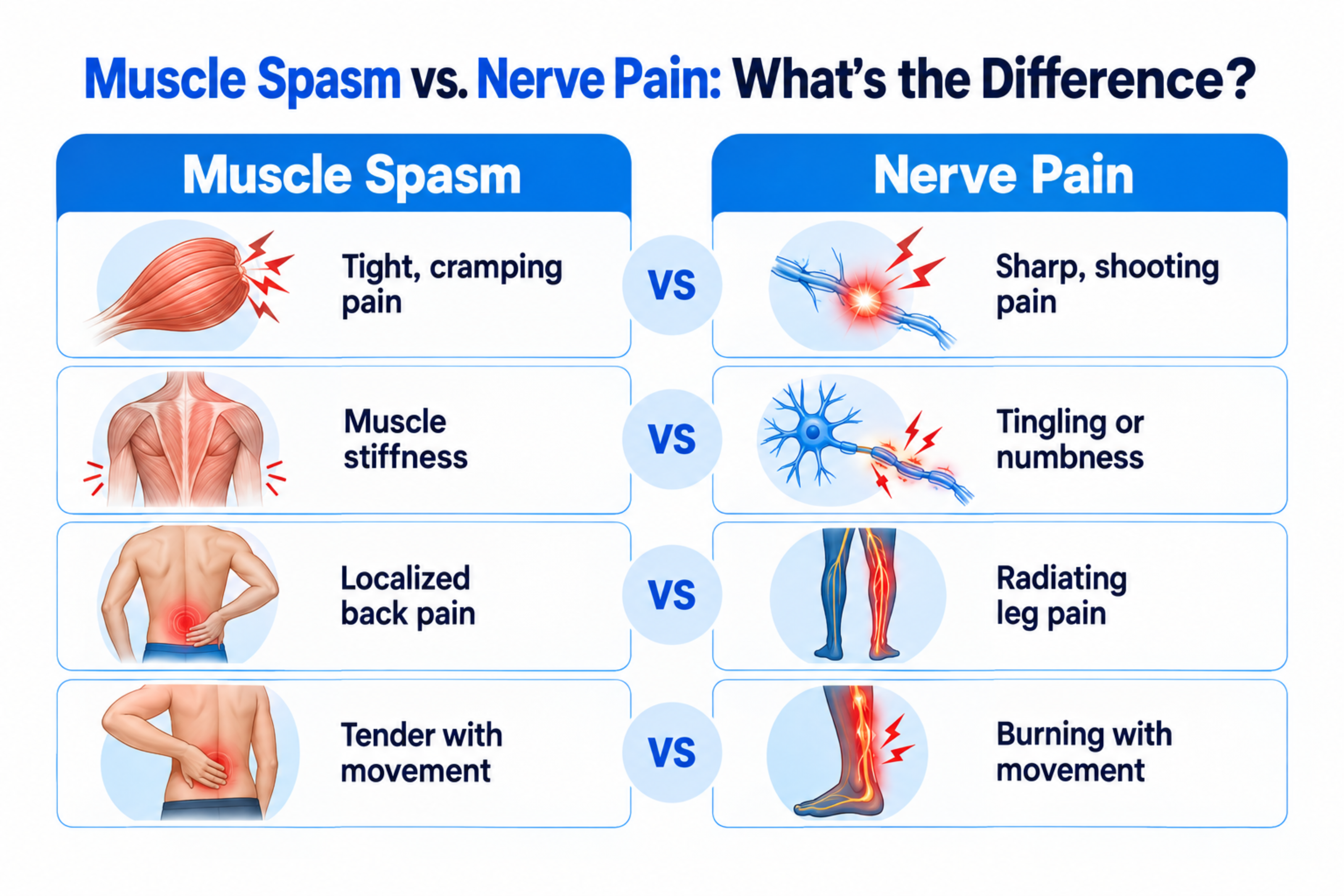
You should consult our pain management specialist, Dr. Aristide Burducea, if back pain continues despite conservative care. You should also seek medical attention if pain radiates into your legs or feet, or you develop numbness, tingling, or weakness. Early orthopedic care can identify the source of your symptoms and guide appropriate treatment.
Beyond these symptoms, the following changes can signal the need for an orthopedic evaluation:
- Difficulty Walking: Trouble with balance or normal movement.
- Night Pain: Back pain regularly disrupts sleep.
- Reduced Function: Pain limits work or daily activities.
- Recurring Pain: Symptoms repeatedly return after treatment.
As Director of Pain Management Services at Total Orthopedics & Sports Medicine, Dr. Burducea specializes in interventional pain care for spine, joint, and musculoskeletal conditions. He uses precision-guided procedures to diagnose and treat persistent pain. Then, he develops a treatment plan that may use targeted injections, nerve blocks, or other minimally invasive options based on the source of your symptoms. Contact our doctor to discuss evaluation and treatment options.
What Treatments Can Help Back Pain Without Muscle Relaxers?
Back pain can improve with guided rehabilitation, heat or cold therapy, and over-the-counter pain relievers. Other options, such as topical medications, massage, and gentle exercises, can reduce pain and improve movement. Acupuncture and TENS may also provide relief based on the source of your symptoms.
Here is how these treatments may help reduce pain and support better functional status:
1. Guided Rehabilitation and Exercise
Doctors may recommend guided rehabilitation if muscle weakness, stiffness, or limited movement contributes to your back pain. Rehabilitation medicine focuses on restoring movement and function through targeted, non-surgical care. Targeted exercises can strengthen the core muscles that support your spine. Gentle stretching can also treat stiffness and improve flexibility. As movement improves, you may perform daily activities with greater ease and comfort.
2. Heat and Cold Therapy
Cold therapy can reduce pain and swelling after a recent back strain or injury. After the initial stage, heat can relax tight tissues and ease muscle stiffness. Your doctor may recommend short sessions based on your symptoms and the source of your pain. Both options can provide temporary relief without prescription muscle relaxers.
3. Over-the-Counter Pain Relievers
Doctors may recommend over-the-counter NSAIDs such as ibuprofen or naproxen for short-term back pain. These medications reduce inflammation and relieve pain rather than directly relax muscles. They may work well when inflammation contributes to your symptoms. Your doctor can determine if NSAIDs are appropriate based on your medical history and other medications.
4. Topical Pain Treatments
Topical treatments can provide localized relief when pain affects a specific area of your back. Medicated creams, gels, or patches deliver pain-relieving ingredients directly to the painful area. This approach can limit exposure to medication throughout the body. Your doctor may recommend combination therapy that pairs topical medication with exercise or another conservative treatment.
5. Massage Therapy
Massage may reduce pain and improve function in people with chronic low back pain. This approach may reduce the discomfort caused by muscle tension. In fact, a randomized trial in PubMed involving 401 adults found that massage led to greater improvements in pain and function than usual medical care after 10 weeks. Benefits lasted for at least six months, although some effects decreased over time.
6. Acupuncture
For some people, acupuncture may provide a non-drug option for back pain. It uses thin needles at specific points to reduce pain and improve comfort. Your doctor may recommend acupuncture alongside other treatments based on your symptoms and response to care.
Visit Total Orthopedics & Sports Medicine if Back Pain Persists Despite Muscle Relaxers!
If muscle relaxers are not relieving your back pain, you may worry that your symptoms will continue despite medication. Persistent pain can disrupt your sleep, restrict movement, and interfere with work. You may also notice recurring spasms, radiating pain, or stiffness that limits your normal routine.
At Total Orthopedics & Sports Medicine, our doctors evaluate your spine, nerves, and movement to identify the factors contributing to your persistent pain. Our specialists focus on the source of your symptoms rather than relying on medication for temporary relief. We may recommend image-guided injections, nerve blocks, or other minimally invasive treatments when appropriate. Call 855-321-6784 or visit one of our New York or New Jersey locations for a personalized treatment plan.
FAQs
Do Muscle Relaxers Help With Spasticity?
Yes, certain muscle relaxers can treat spasticity by reducing continuous muscle contraction and stiffness. Baclofen and tizanidine provide muscle-relaxing effects that reduce excessive muscle tightness. This can improve movement in people with neurological conditions.
How Fast Do Muscle Relaxers Work for Back Pain?
Most muscle relaxers begin to work within 30 minutes to one hour after a dose. Their effects may become more noticeable over the next few hours. However, the exact onset depends on the medication, dose, and your response to treatment.
Can I Drive After Taking an Antispasmodic Drug?
No, you should avoid driving if an antispasmodic drug causes drowsiness, dizziness, or blurred vision. These side effects can reduce your alertness and ability to drive safely. After a new prescription or dose change, wait until you know how the medication affects you before driving.
Is It Safe for Me to Take Muscle Relaxers Every Day?
No, daily use of muscle relaxers is generally not recommended unless your doctor prescribes and monitors them. You should take these medications exactly as directed to reduce the risk of side effects and dependence. Long-term use may require regular medical review.
Could I Take Muscle Relaxers if I Have Cerebral Palsy?
Yes, doctors frequently prescribe muscle relaxers for people with cerebral palsy to reduce muscle stiffness and spasms. These medications can calm overactive muscle signals and improve the range of motion. Your doctor can determine which medication is appropriate based on your symptoms.


