
What Is Artificial Lumbar Disc Replacement Surgery Cost?
Lumbar disc replacement surgery typically costs $25,000 to $70,000, depending on the procedure’s complexity. For example, a single-level lumbar disc surgery may cost between $25,000 and $45,000. In contrast, multi-level procedures can cost $50,000 to $70,000 or more, especially if imaging tests and post-operative care are included in the treatment cost.
At Total Orthopedics and Sports Medicine, our team offers cost-effective L4–L5 and L5-S1 disc replacement surgery for lumbar disc herniation and chronic back pain. Our team reviews anticipated surgical, facility, anesthesia, diagnostic, and follow-up costs while helping you understand what your insurance may cover. This gives you a clearer estimate of your potential out-of-pocket responsibility before you commit to treatment. Contact us at 855-321-6784 to confirm your treatment costs.

What Factors Affect the Cost of Artificial Disc Replacement Surgery?
The severity of the spinal condition, hospital fees, surgeon’s expertise, and the location of the hospital or surgical center can affect the overall cost of total disc replacement. The type of artificial implant, anesthesia fees, spinal health, and diagnostic imaging can also affect the spine surgery costs. Similarly, post-operative costs, including additional blood tests and follow-up visits, may also increase surgical costs. Here are some additional factors that may affect the total cost of ADR surgery:
- Patient’s overall health: Pre-existing conditions may require extra tests, monitoring, or specialized care during surgery.
- Surgical technology and equipment: Advanced operating tools or navigation systems can improve safety but increase medical expenses.
- Potential complications or revision surgeries: Infections or implant issues may require additional surgery, increasing total healthcare costs.
- Insurance coverage: Your health insurance policy may cover part of the cost of artificial disc replacement surgery.
- Prescription medications: Post-surgery medications, including pain management and anti-inflammatory drugs, may lead to additional costs.
What Is the Prior Authorization Process for Disc Replacement Surgery?
Some insurance plans require prior authorization for lumbar disc replacement to confirm that the procedure is “medically necessary”. In this process, your health care provider submits an authorization form, medical records, imaging studies, and clinical notes to the insurance provider. After that, the insurer reviews the documentation to determine whether the disc replacement is covered. Failure to obtain this prior authorization may result in denial of coverage for ADR surgery.
Moreover, this prior authorization can affect your surgical costs due to various factors, such as:
1. Coverage Limitations
Some insurance plans may approve the surgical procedure but exclude follow-up care, rehabilitation, or certain hospital services. This exclusion can result in significant out-of-pocket expenses for services not covered by your plan. In such cases, you should contact your insurance provider to confirm coverage details and understand the potential out-of-pocket costs before proceeding with treatment.
2. Approval Delays
If your insurance plan requires prior authorization, the review process may delay your spine surgery. A 2026 study of 740 patients found that those requiring prior authorization experienced an average 11-day delay to spine surgery compared with patients who did not require it.
3. Additional Diagnostic Requirements
Insurance companies may request extra diagnostic tests or a specialist assessment before approving surgery. These tests may include updated MRIs, X-rays, or neurological assessments to confirm medical necessity. While these assessments help verify the condition, they can also increase total medical expenses.
4. Medical Loans
According to PR Newswire, when insurance coverage is denied, many patients have to pay out-of-pocket expenses for procedures, which can lead to medical debt. This medical debt accounts for approximately 66% of all personal bankruptcy filings in the United States.
What if Prior Authorization Is Denied for Disc Replacement?
If prior authorization for disc replacement is denied, you should first review the denial letter carefully and identify the specific reason for the rejection. Then, you can file an internal appeal by submitting updated medical records, imaging results, and a detailed recommendation from your spine surgeon. After that, your surgeon may request a peer-to-peer review with the insurance provider to explain the medical necessity of the procedure.
If the insurer still denies the internal appeal, you can request an external review. During this external review, an independent group of medical experts will evaluate your case. They will review all the clinical evidence, your surgeon’s recommendations, and the insurer’s reasons for denial. To determine if an ADR is medically necessary for your spinal condition, the external review board will also examine the following documentation:
- Detailed Imaging Reports: Recent MRI scans confirm degenerative disc disease at a specific level without significant facet joint arthritis.
- Documentation of Failed Conservative Care: Evidence that you have completed at least 6 months of non-surgical treatments (such as injections or medications).
- Provocative Discography Results: (If performed) Clinical evidence confirming that the disc targeted for replacement is the main source of your pain.
- Physical Examination Findings: Clinical notes documenting neurological deficits, loss of range of motion, or radiculopathy (nerve pain).
- Surgeon’s Statement of Medical Necessity: A formal letter explaining why you are a candidate for ADR over traditional spinal fusion.
What Type of Insurance Covers Artificial Lumbar Disc Replacement?
At Total Orthopedics and Sports Medicine, our experienced surgeons accept many major commercial insurance plans such as Aetna, BlueCross BlueShield (BCBS), Cigna, Empire Government, and Fidelis. Our clinic also accepts GHI, Healthfirst, Medicare, HIP, Magnacare, Tricare East, Oxford, United Healthcare, and 1199SEIU National Benefit Fund. Other than that, our board-certified surgeons accept the following healthcare plans:
- United Healthcare Medicare
- Railroad Medicare
- Humana (out-of-network benefits only)
- Tricare For Life
- No-Fault Insurance
- Workers’ Compensation
Moreover, before your surgery, our medical team guides you through coverage details, referrals, and co-pays to help you make informed decisions about your treatment. We can also handle all the necessary paperwork and insurance requirements, so you can focus on your treatment without worrying about unexpected costs or delays.
Medicare and Medicaid coverage should be verified separately because eligibility and approval requirements may differ from those of commercial insurance plans. Before scheduling surgery, confirm whether your plan covers the procedure, implant, facility, and related services. Also, check whether prior authorization or other documentation is required. Contact us at 855-321-6784 to verify your coverage.
How Much Does Disc Replacement Cost Without Insurance?
Without insurance, lumbar disc replacement may cost about $25,000 to $70,000 or more, depending on the number of spinal levels treated and the services included. Self-pay patients may be responsible for the surgeon, implant, anesthesia, facility, imaging, and follow-up costs.
If you are uninsured or do not plan to use insurance, you can request a written Good Faith Estimate before surgery. The estimate outlines expected charges and can help you understand your financial responsibility before treatment.
What’s the Difference Between In-Network VS Out-of-Network Cost for ADR?
In-network care may lower your out-of-pocket costs because participating providers have negotiated rates with your health plan. However, the surgeon, facility, anesthesia, implant, and other services may have separate billing or coverage considerations. Before surgery, confirm the network status and expected costs for each service with your provider and insurance plan.
In contrast, with an out-of-network provider, there is no negotiated pricing with your insurance company. Because of this, the provider may charge higher fees, and your insurance may cover only a limited portion of the cost. You may also be responsible for “balance billing” (the difference between the provider’s charge and the insurer’s allowed amount). These extra expenses can significantly increase your total treatment costs.
Which Medical Services Are Included in the Total Surgery Cost?
Total artificial replacement costs generally include the surgeon’s fee, anesthesia, prescription costs,
facility fees (surgery center, operating room, staff). These expenses cover pre-operative care, including consultations, diagnostic imaging such as X-rays or MRIs, and required lab tests. They may also include post-operative care, such as follow-up visits, rehabilitation sessions, and chronic pain management medications.
In some cases, the total replacement costs may cover the following additional expenses:
- Artificial disc implant: The cost of the prosthetic disc used to replace the damaged spinal disc.
- Hospital stay: Charges for inpatient monitoring and nursing care after the lumbar procedure.
- Surgical supplies and equipment: Sterile instruments, surgical tools, and disposable medical supplies used during the procedure.
- Post-surgical imaging: Follow-up X-rays or scans to confirm proper implant placement and spinal alignment.
- Braces or supports: Costs of spinal braces that help restore mobility during recovery.
- Pre-anesthesia evaluation: Medical clearance and assessment before undergoing anesthesia.
- Recovery room (PACU) care: Monitoring immediately after surgery to ensure your vital signs are stable.
- Pain management services: Ongoing treatment to control post-surgical pain and discomfort.
Note: The total cost of ADR surgery may vary depending on the hospital, the facility’s billing policies, and the services included in the treatment plan.
Does L4-L5 or L5-S1 Disc Replacement Cost More?
Neither L4-L5 nor L5-S1 disc replacement is automatically more expensive, as the cost depends primarily on the complexity of your surgery. The type of artificial disc, facility charges, surgeon’s fees, and insurance coverage can all affect the final cost. Treating more than one spinal level may also increase the overall expense.
What Is The CPT Code for L5-S1 Artificial Disc Replacement?
The primary CPT code for a single-level L5-S1 lumbar artificial disc replacement is 22857 (Total disc arthroplasty, anterior approach, single interspace, lumbar). This CPT (Current Procedural Terminology) is a standardized set of codes used by healthcare providers to document surgical procedures for insurance and billing purposes.
What Financing Options Are Available for Disc Replacement Surgery?
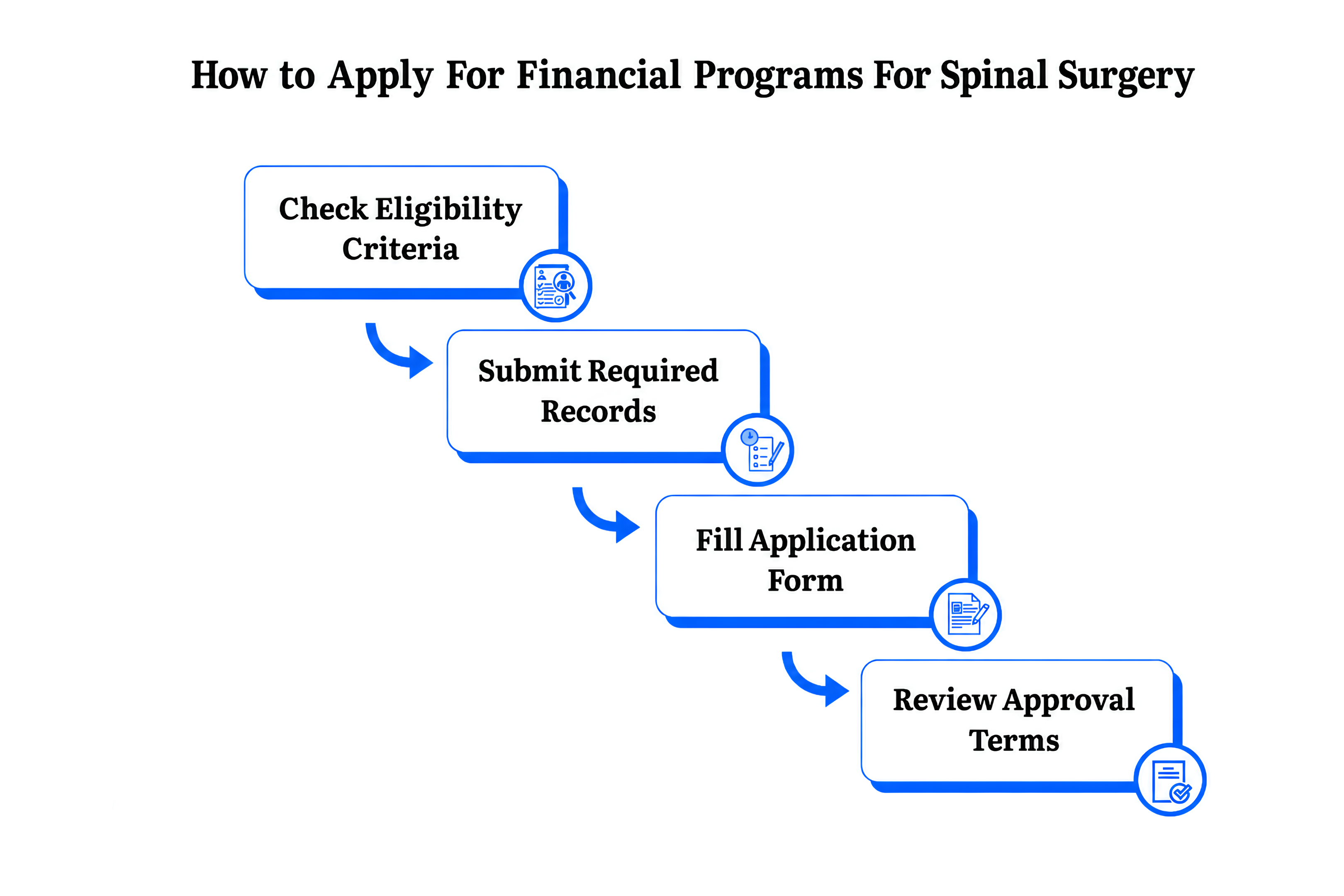
Hospital payment plans, installment options, or medical credit can help you manage the cost of disc replacement surgery. Besides that, personal loans, credit cards, or in-house financing programs can also help you manage treatment expenses. In some cases, flexible spending accounts (FSAs) or health savings accounts (HSAs) may provide partial or full financial help for ADR.
Moreover, some employers offer health reimbursement arrangements (HRAs) or wellness stipends that can be used to cover surgical costs. Government health schemes or charitable foundations may also provide financial assistance for spinal procedures, especially if the surgery is deemed medically necessary. Before choosing a financing option, also compare the interest rate, repayment period, monthly payment, fees, and early-payment terms. Looking beyond the monthly payment can help you understand the total amount you may ultimately repay.
Are There Hidden Costs in Artificial Lumbar Disc Replacement?
Yes, additional costs may arise before or after lumbar disc replacement. These costs may include additional pre-operative tests, imaging studies, or lab tests that may not be covered by insurance. Post-operative medications, follow-up visits, and medical clearance can also increase total medical expenses. Similarly, the following hidden expenses may increase the total medical costs during or after disc replacement surgery:
- Overnight hospital observation fees
- Medical equipment rental (walker, support devices)
- Transportation or medical travel expenses
- Pulmonary function testing charges
- Surgical drain removal fees
- Stitches or staple removal visit fees
- Surgical assistant fees
Tip: To reduce unexpected costs, confirm coverage for all potential services with your insurer and request an itemized estimate from your medical team before surgery.
What is The “No Surprises Act” in New York?
The No Surprises Act is a federal law that protects patients from certain unexpected out-of-network medical bills. These protections generally apply to emergency services and certain services provided by out-of-network providers at in-network facilities. New York also has separate state protections against certain surprise medical bills.
How Can You Negotiate the Cost of Disc Replacement With Your Insurer?
To negotiate ADR costs with your insurer, review your policy to understand coverage limits, co-pays, and deductibles. After that, contact your insurance provider and ask whether they can lower your out-of-pocket expenses, cover additional services, or approve in-network surgeons and facilities. You can also request an itemized estimate from your doctor to identify negotiable charges before surgery.
However, if your insurer denies coverage for your disc replacement, you have a legal right under the Affordable Care Act to appeal the decision. Here is how you can file an appeal to challenge a denial and secure coverage for your surgery:
- Analyze the Denial Notice: Read the explanation letter from your insurer to identify the exact reason for the denial, such as the procedure being labeled or “not medically necessary.”
- Request an Internal Appeal: Submit a formal written request to your insurance company within 180 days of the denial.
- Submit a Letter of Medical Necessity: Provide a detailed letter from your surgeon that outlines your medical history and explains why ADR is essential for your health.
- Contact the New York State Department of Financial Services (DFS): You can reach out to the DFS or the Consumer Assistance Program (CAP) for guidance on understanding the appeals process and your rights under insurance law.
Does Geographic Location Affect Artificial Lumbar Disc Replacement Pricing?
Yes, geographic location significantly affects the costs of artificial lumbar disc replacement (ADR). For instance, surgery in large metropolitan areas with a higher cost of living typically has higher hospital fees, surgeon rates, and anesthesia costs. In contrast, smaller cities or rural regions may have lower overall procedure costs due to reduced hospital charges. Here’s how urban and rural locations can further impact ADR procedure costs:
| Urban / Metropolitan Areas | Rural / Smaller Cities |
|---|---|
| More specialized surgeons, higher fees | Fewer specialists, lower fees |
| Access to the latest surgical technology | Limited access to advanced equipment |
| Advanced hospitals with comprehensive services | Basic facilities with limited services |
| Higher costs for lab tests, imaging tools | Lower supplementary service costs |
| Higher facility charges for inpatient stays | Lower facility charges for hospital stays |
The surgical setting can also affect the final cost. When medically appropriate, outpatient disc replacement may reduce facility and hospitalization expenses compared with an inpatient procedure.
How Does Artificial Disc Replacement Cost Compare to Spinal Fusion Surgery?
Artificial disc replacement (ADR) is generally more cost-effective than spinal fusion surgery. In one small study of patients treated for three-level lumbar disc degeneration, ADR was associated with lower hospital costs than fusion. The results revealed that patients who underwent ADR had shorter hospital stays, averaging about 4.8 days, compared with 8 days for fusion patients.
As a result, hospital service costs were 49% lower for ADR patients. Moreover, when implant instrumentation costs were included, the total cost savings increased to 54%. These findings show that ADR can significantly reduce both hospitalization time and overall medical expenses compared with traditional spinal fusion surgery.
We Offer Cost-Effective Lumbar Disc Replacement in NYC — Visit Now!
If you are considering ADR for your degenerative disc disease or disc herniation, you may face unexpected out-of-pocket expenses for hospital services that aren’t fully covered by insurance. You may also struggle with prior authorization, which can delay your surgery and increase pre-operative costs. Even after the surgery, follow-up visits and prescription medications can increase your overall treatment expenses.
At Total Orthopedics and Sports Medicine, our spine specialists review your insurance coverage, explain expected or unexpected expenses, and help with authorization requirements to prevent delays. We also guide you through Financial Assistance Programs to make your treatment more affordable. Call 855-321-6784 or visit 1111 Park Ave, #1, New York, 10128 to schedule a consultation for lumbar disc replacement.
FAQs
Is Multi-Level Lumbar Disc Replacement More Expensive?
Yes, multi-level lumbar disc replacement is generally more expensive than a single-level surgical procedure. Treating two or more spinal levels requires additional surgical time, more advanced implants, and extra pre- and post-operative care, all of which increase the overall cost.
How Can I Get an Accurate Estimate for Disc Replacement?
To get an accurate cost estimate for ADR, contact your medical team and provide your insurance details. Your spine specialist will review your insurance policy and outline all potential costs, including surgeon fees, hospital charges, implants, anesthesia, and post-operative care.
Can the Surgeon’s Experience Affect the Cost of Disc Replacement?
Yes, the surgeon’s experience can significantly affect the cost of artificial lumbar disc replacement. Highly experienced or board-certified spine surgeons often charge higher fees due to their specialized training and success rate. In contrast, inexperienced surgeons may charge lower fees, but this could increase the risk of surgical complications.
Can the Cost Increase if Complications Occur After Surgery?
Yes, post-surgical complications can increase the overall cost of spinal surgery. For example, issues such as infections, implant misalignment, or nerve irritation may require additional tests, extended hospital stays, or even revision surgery. As a result, these unexpected medical needs can significantly increase out-of-pocket expenses and extend recovery time.


