

Herniated Disc vs Muscle Strain: How to Tell the Difference?
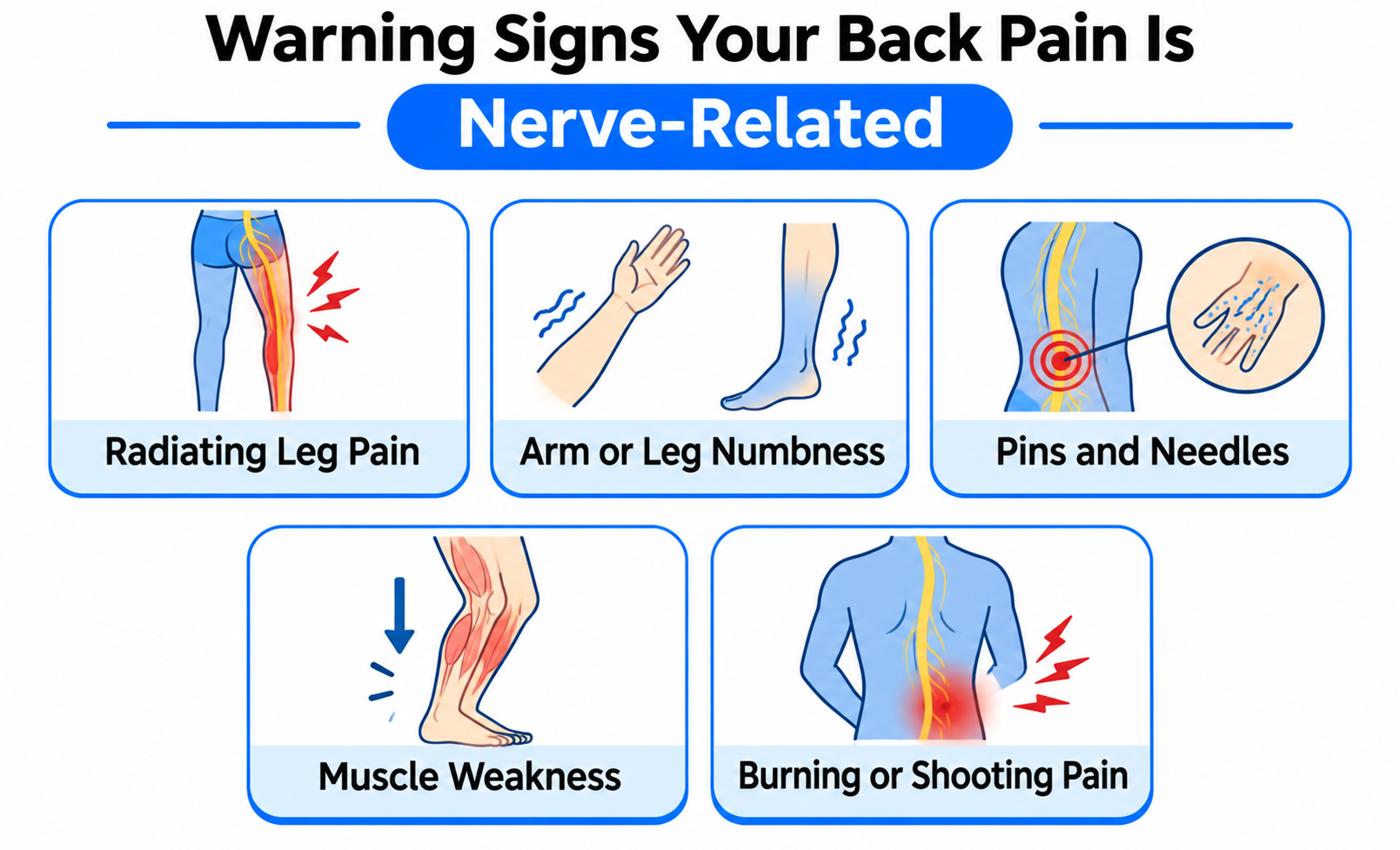
A herniated disc often causes sharp pain that travels down your arm or leg, along with numbness or tingling. In contrast, a muscle strain causes dull, localized pain that worsens with movement but improves with rest. While both conditions cause back or neck pain, a herniated disc may affect nearby nerves, whereas a muscle strain usually affects only the muscles.
If you experience persistent back pain and cannot identify its cause, an orthopedic evaluation can prevent delays in treatment. At Total Orthopedics & Sports Medicine, our spine specialists identify the source of your pain and recommend personalized treatments to restore mobility. We use physical examinations and advanced imaging tests when appropriate to assess muscle injuries, disc damage, and nerve compression. Contact us at 855-321-6784 to schedule your consultation and receive expert care for your back pain.

Key Takeaways
- A herniated disc often causes sharp, radiating pain, while a muscle strain causes localized soreness and stiffness.
- Numbness, tingling, or muscle weakness may indicate nerve compression from a herniated disc.
- Poor posture, heavy lifting, aging, and prolonged inactivity can increase the risk of both conditions.
- Muscle strains often improve within days to weeks, while herniated disc recovery may take several months.
- Mild muscle strains often respond to rest, ice or heat therapy, and rehabilitation exercises.
- Herniated disc treatment may require medications, rehabilitation exercises, injections, or surgery in severe cases.
- A physical examination and imaging tests can identify the cause of back pain and guide treatment.
What’s the Difference Between Herniated Disc and Muscle Strain?
A herniated disc occurs when the soft inner material pushes through the tough outer layer of a spinal disc and may press on nearby nerves. This can cause sharp pain that travels from your back into your buttocks or legs, along with numbness or tingling. In contrast, strained muscles usually cause localized soreness, tightness, or stiffness after physical activity. While both conditions cause back pain symptoms, their pain patterns, triggers, and recovery times often differ.
Here is a key comparison of muscle-related and disc-related back pain:
| Feature | Muscle Strain | Herniated Disc |
|---|---|---|
| Pain Location | Usually limited to the lower back | May spread to the buttocks, legs, or feet |
| Pain Type | Dull ache, soreness, or tightness | Sharp, burning, or shooting pain |
| Common Causes | Overuse, heavy lifting, or sudden movements | Disc degeneration, injury, or excessive spinal pressure |
| Pain Triggers | Twisting, stretching, or muscle contraction | Sitting, forward bending, coughing, or sneezing |
| Nerve Symptoms | Usually no numbness or tingling | May cause numbness, tingling, or weakness |
| Pain Relief | Often improves with rest and gentle movement | May improve with position changes that reduce nerve pressure |
| Recovery Time | Often improves within days to weeks | May take several weeks to months |
| Treatment | Activity changes, ice or heat, and rehabilitation exercises | Medications, rehabilitation exercises, injections, or surgery in selected cases |
How Does Inflammation Affect Muscle and Disc Pain?
Inflammation increases back pain by causing swelling and irritation in the affected muscles or tissues surrounding the spinal discs. When muscles become strained and inflamed, they often feel tender, tight, and stiff, making everyday movements uncomfortable. This inflammation can also cause lower back pain when bending over, especially when the affected muscles stretch.
In contrast, inflammation around damaged intervertebral discs can irritate nearby spinal nerves, causing sharp, shooting pain that radiates into the buttocks or legs. When the sciatic nerve becomes irritated, you may also experience tingling, numbness, or weakness in the affected leg. These symptoms can make sitting, standing, or walking for long periods uncomfortable and interfere with daily activities.
Managing inflammation depends on its underlying cause and the severity of your symptoms. For muscle-related pain, relative rest, gentle movement, and cold or warm compresses can help reduce discomfort, while anti-inflammatory medications may provide additional relief when appropriate. Disc-related inflammation may require medications or epidural steroid injections. In contrast, surgery is generally considered when significant nerve compression causes persistent symptoms or progressive neurological problems.
What Are the Most Common Causes of Muscle and Disc Pain?
Physical pressure, poor posture, aging, and prolonged inactivity are the most common causes of back pain and muscle strain. Other risk factors are smoking, excess body weight, genetics, and a history of spinal problems. These factors can weaken the muscles that support your spine or increase pressure on the spinal discs.
A pulled muscle often develops from repetitive movements, improper lifting, or sudden physical strain. It may also cause sudden, localized pain that worsens when you twist your back or contract the affected muscle.
In contrast, disc problems become more common with age as spinal discs lose flexibility and become more prone to damage. These discs act as shock absorbers between the vertebrae (spinal bones), so gradual wear can reduce their ability to cushion the spine. Heavy lifting, excess body weight, and prolonged sitting can place additional pressure on these discs.
How Do You Diagnose the Cause of Your Back Pain?
To diagnose the cause of your back pain, your healthcare provider first reviews your symptoms and medical history. They then perform a physical exam to assess your range of motion, muscle strength, and nerve function. If needed, they may recommend X-rays, MRI scans, or a CT scan to examine the bones and discs of your spinal column.
These tests can determine whether your pain is due to a muscle strain or a disc issue, such as a herniated disc. They can also detect degenerative disc disease, where spinal discs lose height and flexibility over time. In some cases, osteoarthritis can narrow the spinal canal, placing pressure on nearby nerves. Your specialist uses these findings, along with other symptoms such as numbness or weakness, to determine the cause of your pain.
Early diagnosis can improve treatment outcomes and reduce the risk of further complications. At Total Orthopedics & Sports Medicine, our spine specialists use advanced diagnostic tools to identify the source of your back pain. Based on your diagnosis, we offer personalized treatment plans, from medications and rehabilitation exercises to advanced spine procedures when needed. Call 855-321-6784 today to schedule your consultation and receive expert care for lasting back pain relief.
What Are the Treatment Options for Herniated Disc vs Muscle Strain?
For muscle pain, treatment usually starts with rest, rehabilitation exercises, and over-the-counter pain relievers. You can also use ice packs or heating pads to reduce discomfort, as mild muscle strains often heal with minimal treatment. In contrast, herniated disc pain may require medications, guided rehabilitation, or surgery if symptoms persist or nerve damage develops. Your orthopedic specialist will recommend treatment based on your symptoms and the severity of your injury.
Can You Have Both Muscle and Disc Pain at the Same Time?
Yes, it is possible to have both muscle and disc pain at the same time. This often happens when your body compensates for disc pain, such as from a herniated disc. As you try to avoid further discomfort, the surrounding muscles become strained, leading to additional pain. When both conditions occur together, lower back pain when bending over may become more noticeable due to muscle strain and nerve irritation.
When both types of pain occur, disc pain usually affects the spine and can radiate to your legs, while muscle pain tends to be localized to the back or shoulders. Treating both conditions typically involves a combination of personalized rehabilitation plans and targeted treatments to address both the source of pain and relieve strain on the affected muscles.
How Can You Prevent Muscle and Disc Pain in the Future?
You can reduce the risk of future muscle and disc pain by maintaining good posture, strengthening your core muscles, and avoiding repetitive strain. Regular exercise also prevents decreased muscle tone and supports the muscles around your spine. This improves spinal stability and reduces pressure on nearby nerves.
Proper body mechanics are equally important when lifting objects or playing sports. Bend your knees, keep objects close to your body, and avoid sudden twisting movements to protect your back. Maintaining a healthy weight and performing gentle stretches can further reduce spinal pressure and improve flexibility.
Get the Right Diagnosis for Your Back Pain—Contact Total Orthopedics & Sports Medicine and Book Your Visit Today!
If you’re experiencing back pain, it can be challenging to determine whether it’s muscle- or disc-related, which can delay treatment. Without a proper diagnosis, untreated muscular pain can worsen and may cause nerve damage. This delay in treatment can slow your recovery and increase the likelihood of needing invasive procedures.
At Total Orthopedics & Sports Medicine, our spine specialists provide expert diagnosis and personalized treatment for back pain. We use physical examinations and advanced imaging tests to identify muscle strains, disc damage, or nerve compression. Based on your results, we recommend targeted treatments to relieve pain and restore spinal mobility. Call 855-321-6784 to schedule your consultation at one of our New York or New Jersey locations. You can also upload your existing imaging scans during appointment booking for our specialists to review.
FAQs
What Activities Should I Avoid With a Herniated Disc?
You should avoid lifting heavy objects, bending, and twisting motions, as they can put extra pressure on the spinal discs. High-impact activities, like running or jumping, should also be avoided. Instead, try low-impact activities like walking or swimming to help with recovery.
Can Back Pain Be a Sign of a More Serious Condition?
Yes, back pain can sometimes indicate a more serious issue, such as bone spurs, a slipped disc, spinal stenosis, or even infections or tumors. If your pain is severe, lasts a long time, or includes symptoms like numbness or weakness, it’s important to see a healthcare professional at Total Orthopedics & Sports Medicine for a proper diagnosis.
Can Back Pain Go Away Without Treatment?
In some cases, mild back pain may improve on its own with rest and basic self-care. However, disc problems such as a herniated or slipped disc may not resolve without proper treatment. It’s important to seek medical advice if your pain lasts or worsens to prevent long-term issues.
Can Back Pain Go Away Without Treatment?
In some cases, mild back pain may improve on its own with rest and basic self-care. However, disc problems like a herniated disc or slipped disc may not go away without proper treatment. It’s important to seek medical advice if your pain lasts or worsens to prevent long-term issues.
Can Stress Cause Back Pain?
Yes, stress can cause muscle strain and worsen back pain. When you’re stressed, your muscles tighten, leading to discomfort or localized pain in the back. Over time, stress can also weaken muscles and affect posture, which may make disc problems worse. Managing stress helps provide long-term pain relief.
Is Heat or Ice Better for Back Pain?
Yes, both heat and ice can be effective for back pain, but it depends on the situation. Ice is best for reducing inflammation and numbing pain, while heat helps relax back muscles and spinal nerves. You can use both together based on the timing and severity of your pain.
How Long Does It Take for Muscle Back Pain to Heal?
The healing time for muscle back pain varies depending on the severity of the strain. Mild pain may improve within a few days with rest, while more severe cases can take weeks. If there’s muscle weakness or nerve involvement, recovery may take longer.
Can Lifting Heavy Objects Cause Disc Problems?
Yes, lifting heavy objects the wrong way places a lot of stress on your discs, leading to disc problems like a herniated disc. This can cause pain in your back and even affect nearby nerves. Always use proper lifting techniques to avoid this type of injury.

